
How to Get Your Architect and Your Builder Working Together
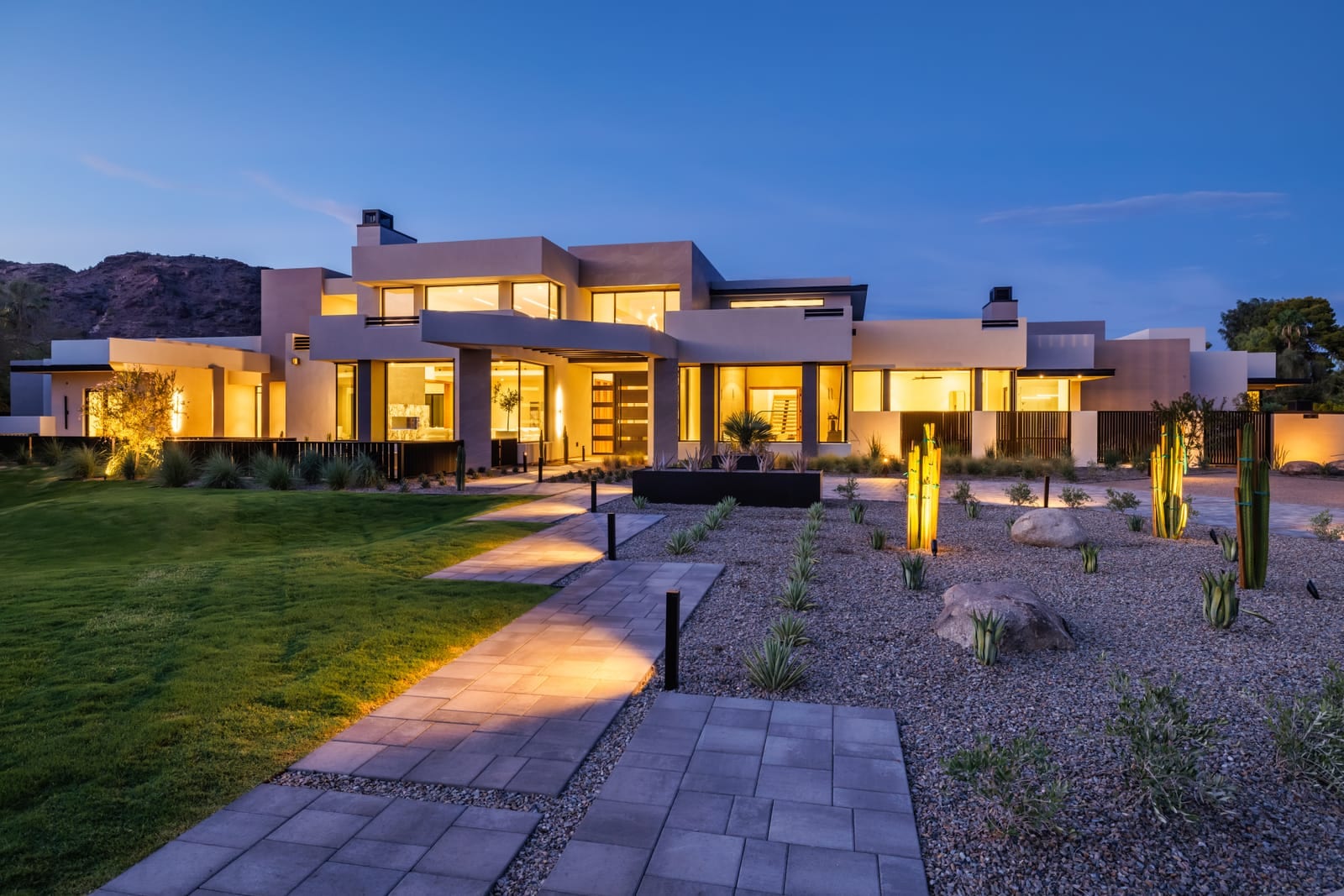
Most cost overruns on custom homes do not come from anyone doing bad work. They come from the seam between two good professionals who were brought together too late.
Here is how that seam usually opens, and how to close it.
What normally happens
You hire an architect. They design a home you love. Months later the drawings go out to builders for pricing, and the numbers come back well above what you had in mind.
Now everyone is in a bad position. You are asked to cut things you had already fallen in love with. Your architect is asked to redraw work they were not paid to redo. The builder looks like the bearer of bad news before they have laid a hand on the project. Nobody did anything wrong, and yet everyone starts behind.
The fix is timing, not loyalty
Bring the builder in during design rather than after it — not to take over the drawings, but to price them while they are still easy to change.
What that looks like in practice:
- Early budget checkpoints. Rough pricing at schematic, again at design development. Two conversations, not one verdict.
- Real numbers on real selections. Allowances hide problems. A builder who prices from the actual window package tells you something useful; one who carries a lump-sum allowance is deferring the argument.
- Constructability input, offered not imposed. A good builder flags the detail that will be expensive to frame and explains why. The architect decides what to do about it. That is the correct division.
- One schedule everyone can see. Long-lead items and municipal review drive more of the calendar than framing does.
Who owns what
This works when the roles stay clean.
Your architect owns the design. The intent, the proportions, the way light moves through the house, the detailing that makes it specific to you — that authorship should not drift to the builder because a subcontractor found something easier to do.
Your builder owns the execution and the number. Means, methods, sequencing, trades, and telling you the truth about cost early enough to matter.
Your interior designer owns the material and furnishing story, and needs the same early involvement for the same reason — a tile decision that arrives after the substrate is set is a demolition decision.
Questions worth asking a builder
- Will you price this at schematic, or only when drawings are complete?
- How do you raise a constructability concern — and who decides?
- Have you built from this architect's drawings before? What did you learn?
- What in this set worries you most, and what would it cost to find out?
A builder who answers those specifically is one who has done it. A builder who tells you the drawings should have been theirs is telling you something else.
Why we work this way
We build from other people's drawings, and we like it that way. The architects and designers we work with repeatedly send us projects because we protect their intent in the field and tell their clients the truth about cost early — not because we tried to win the design work too.
If you are an architect or designer with a project that needs a builder who will hold your details, we would like to hear about it.
Keep reading
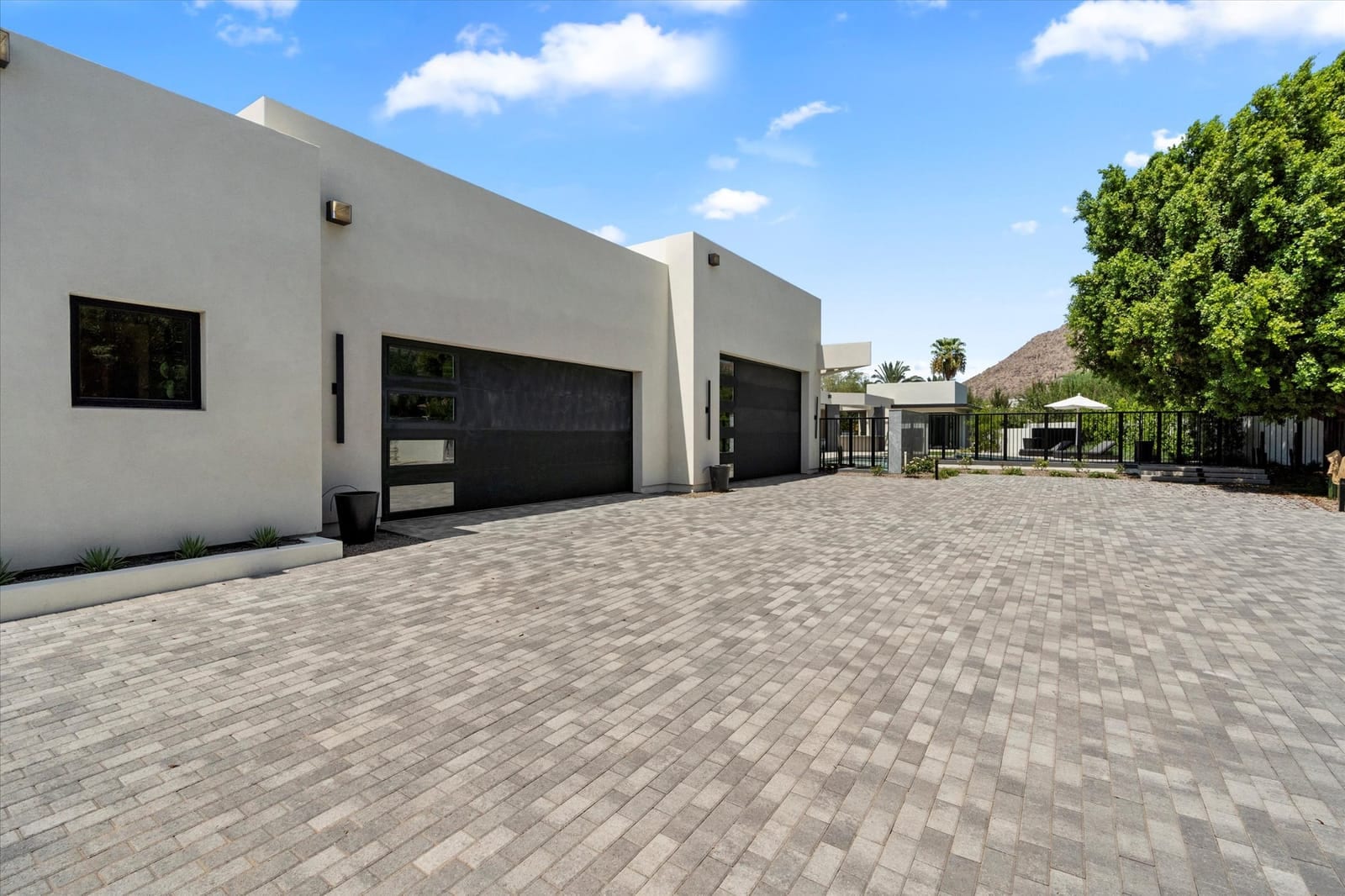
What to Expect When Building a Custom Home in Scottsdale or Paradise Valley
The real sequence, the real timeline, and the parts most people underestimate.

Questions to Ask Before You Hire a Remodel or Custom Home Builder
The questions that separate a builder who will finish well from one who will not — and what a good answer actually sounds like.
Planning a project in the Valley?
Tell us what you have in mind. We will give you the same straight answers you just read.
Start the conversation